


Overview
To thrive in the digital age, optimize your Shopify store for search engines through effective SEO strategies. Focus on keyword research, on-page optimization, content marketing, mobile optimization, technical SEO, and building quality backlinks. Regularly monitor your SEO performance and stay updated with trends to enhance visibility and drive traffic to your store.
Frequently Asked Questions
1. What is SEO and why is it important for my Shopify store?
2. How do I conduct keyword research for my Shopify store?
3. What are some effective on-page SEO strategies for Shopify?
4. How can blogging improve my Shopify store's SEO?
5. What tools can I use to monitor my Shopify store's SEO performance?
In the digital age, having a beautiful Shopify store is just part of the equation. To thrive, it’s essential to optimize your online presence for search engines. This process, known as SEO for online stores, can dramatically increase your visibility, attract more traffic, and ultimately lead to higher sales. In this article, we’ll explore key strategies that can help you enhance the SEO performance of your Shopify store and provide practical tips to get you started.
Understanding SEO Basics
Before diving into specific strategies, let’s briefly talk about what SEO is. SEO, or Search Engine Optimization, involves optimizing different elements of your website so that it ranks higher in search engine results. This includes on-page factors like content quality, keywords, metadata, and off-page factors such as backlinks and domain authority.
Search engines like Google utilize complex algorithms to determine which sites to rank based on relevance and authority. By implementing effective SEO practices, you can significantly improve your store's visibility. Here’s how to get started.
Keyword Research: The Foundation of SEO
Keyword research is the backbone of SEO strategy. Identifying which keywords your target audience is searching for allows you to create content that meets their needs. Here’s how to effectively conduct keyword research:
Use Keyword Tools
- Utilize tools like Google Keyword Planner, Ahrefs, or SEMrush to find popular keywords.
- Look for keywords relevant to your niche and that have a good search volume.
- Focus on long-tail keywords that are less competitive and more specific to your products.
Analyze Competitor Keywords
Review your competitors' websites to see which keywords they are targeting. This can provide insights into effective keywords you might have overlooked.
On-Page SEO Strategies for Your Shopify Store
Once you have a solid list of keywords, the next step is to integrate them into your Shopify store. Here are essential on-page SEO strategies to implement:
Optimize Your Product Pages
Your product pages are the backbone of your Shopify store. Optimize them by including primary keywords in:
- Product titles
- Descriptions
- Alt text for images
- Meta descriptions
Make sure your product descriptions are unique, informative, and incorporate engaging language to capture visitors' attention.
Create SEO-Friendly URLs
Short, descriptive URLs can enhance your SEO. Shopify automatically generates URLs based on your product titles, but you can customize them. Aim for a URL structure that includes primary keywords and clearly communicates the content of the page.
Utilize Header Tags
Effective use of header tags (H1, H2, H3) can help structure your content. Each product page should have one H1 tag (usually the product name) and several H2 or H3 tags for other sections. This makes your page easier to read, and it lets search engines understand the hierarchy of your content.
Content Marketing: Engaging Customers Through Blogging
In addition to optimizing your product pages, consider adding a blog to your Shopify store. Blogging can improve SEO and drive traffic. Here’s how:
Create Quality Content
Publish articles that provide value to your audience. Use your keyword research to generate blog topics that your customers are searching for. Quality content will establish your authority in your niche and encourage backlinks to your site, further aiding your SEO efforts.

Integrate Internal Linking
Internal linking is pivotal for enhancing your Shopify store’s SEO. By linking to other pages within your site, you help search engines crawl your website better, and guide users to discover more of your content. Ensure that your internal links are relevant and contextually placed.
Optimize for Mobile Devices
With an increasing number of shoppers using their mobile devices, ensuring your Shopify store is mobile-friendly is essential for SEO. Google prioritizes mobile-first indexing, so here are steps to enhance mobile optimization:
- Choose a responsive Shopify theme that adapts to various screen sizes.
- Optimize images for faster loading on mobile devices.
- Avoid pop-ups that may disrupt the user experience on mobile.
Technical SEO: Under the Hood of Your Store
Technical SEO covers aspects of your site that will affect its crawling and indexing. Addressing these factors can significantly contribute to improved search engine ranking:
Improve Site Speed
Site speed is a critical factor for both user experience and SEO. Use tools like Google PageSpeed Insights to identify areas where you can improve loading times. Consider compressing images, reducing server response times, and leveraging browser caching.
Implement Schema Markup
Schema markup is a code that helps search engines understand your content better. It can enhance your search results by providing rich snippets, such as star ratings and product information, making your listing more attractive. Shopify allows you to implement schema markup easily.
Building Quality Backlinks
Backlinks from reputable websites can significantly boost your site's authority and SEO rankings. Here are strategies to earn quality backlinks:
Guest Blogging
Reach out to relevant blogs and offer to write guest posts. This not only positions you as an authority but also provides opportunities for backlinks to your Shopify store.
Collaborate with Influencers
Partnering with influencers in your niche can expose your store to a broader audience. They can create backlinks through product reviews or promotional content that directs traffic back to your store.
Monitoring and Analyzing Your SEO Performance
Regularly monitoring your SEO efforts is essential to understanding what works and what doesn’t. Use tools like Google Analytics and Google Search Console to track your progress:
- Evaluate which keywords are driving traffic to your site.
- Analyze user behavior on your site (bounce rates, time spent).
- Monitor your site's indexing status and any potential issues.
Staying Updated with SEO Trends
SEO is not static; it continuously evolves with changes in search engine algorithms and consumer behavior. Staying informed about the latest SEO trends is crucial for maintaining your Shopify store’s ranking. Regularly follow SEO blogs, subscribe to newsletters, and participate in forums to stay ahead of the curve.
Your Journey to SEO Success Starts Now!
Optimizing your Shopify store for search engines is an ongoing process that involves various strategies, including keyword research, on-page and technical SEO, content marketing, and backlink building. By committing to these practices, you’ll create a robust online presence that attracts customers and grows your business. If at any point you find yourself needing assistance or would like expert guidance, remember you can always get help with a Shopify website to ensure that your online store reaches its full potential. Start implementing these strategies today, and watch your store thrive!
Linked Product

eCommerce SEO
The eCommerce SEO Pro Plan provides essential tools for enhancing your online store's visibility in search engines. With services like initial keyword research, monthly SEO reports, and ongoing onsite optimization, it helps you improve your site's search performance. This plan also includes strategic consulting and article writing to support your content marketing efforts.
View Product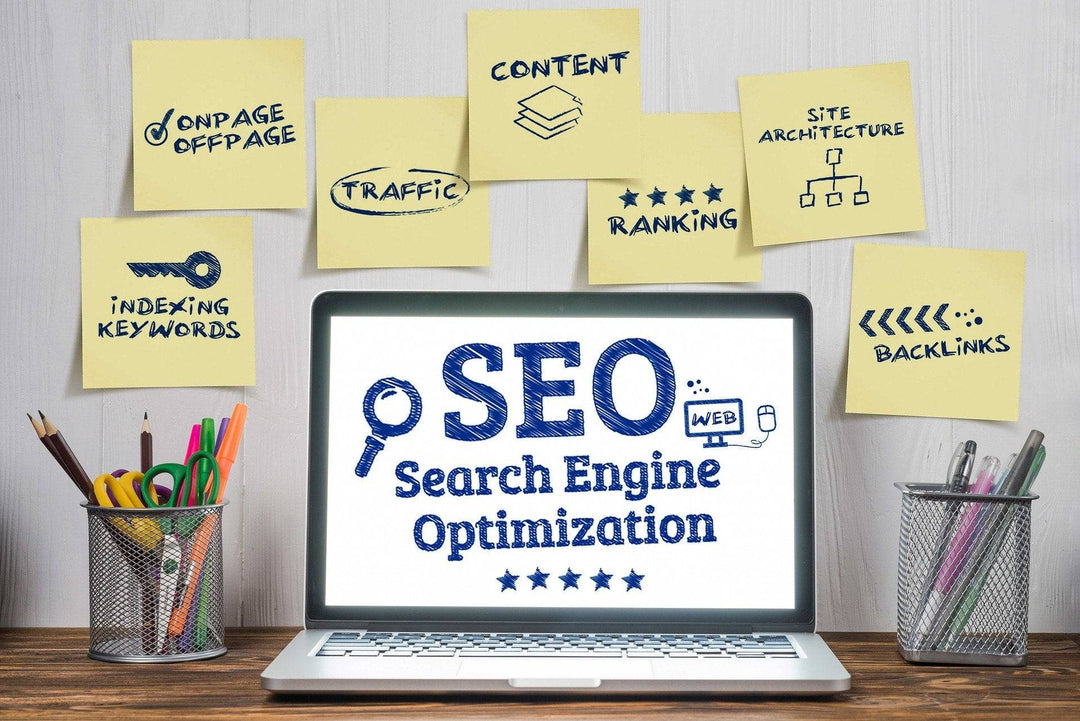



Leave a comment