


Overview
Creating an effective Shopify website requires understanding your audience, choosing the right theme, and focusing on design elements like color, fonts, and navigation. Key strategies include using high-quality images, crafting compelling product descriptions, and implementing strong calls to action. Integrating social proof and optimizing for SEO are crucial for visibility and trust. Regularly monitor performance and adapt your site to enhance user experience and boost conversions. Design is an ongoing journey that should evolve with your business.
Frequently Asked Questions
1. Why is it important to understand my audience when designing a Shopify website?
2. What should I consider when choosing a theme for my Shopify store?
3. How can I improve product images on my Shopify site?
4. What are effective calls to action (CTAs) for my Shopify website?
5. How can I monitor the performance of my Shopify website after launch?
Creating a visually appealing and highly functional Shopify website is vital for any online store. Whether you're launching a new venture or revamping an existing Shopify store, design plays a crucial role in customer engagement, site navigation, and ultimately, sales conversions. In this guide, we’ll explore professional tips and tricks for designing the perfect Shopify website. Let's dive deeper into the essential elements that make a site stand out and ensure it's optimized for success.
Understanding Your Audience
Before you even think about colors or layouts, it's essential to understand your target audience. Knowing who your customers are influences every decision you make in the design process. Here are a few steps to identify your audience:
- Create a buyer persona: Develop a detailed profile including age, gender, interests, and shopping behaviors.
- Conduct market research: Use surveys and analytics tools to gather data about user preferences and online shopping trends.
- Analyze competitors: Look at competitor sites that attract similar buyers. What works for them? What doesn’t?
Choosing the Right Theme
Your choice of theme sets the foundation for your entire website. When selecting a theme for your Shopify store optimization in Cary, NC, consider the following:
Simplicity and Clarity
The best themes highlight your products without overwhelming visitors. A clean layout with ample white space helps users focus on the content. Avoid clutter and choose a template that balances visual appeal with functional design.
Mobile Responsiveness
With a significant portion of consumers shopping on their mobile devices, select a theme that’s fully responsive. This ensures that your Shopify site package will deliver a seamless experience across various screen sizes. Google also prioritizes mobile-friendly sites in search rankings, adding to its importance for SEO.
Color Scheme and Fonts
The color palette and typography you choose play a vital role in conveying your brand identity. Here's how to get a harmonious blend:
Choosing Colors
Use colors that represent your brand and resonate with your target audience. Tools like Adobe Color can help you choose a cohesive color scheme. Here are some tips:
- Limit your palette to a few complementary colors.
- Use contrasting colors for calls-to-action to increase visibility.
- Consider how colors communicate emotion; for instance, blue conveys trust, while red ignites excitement.
Picking Fonts
Fonts can also influence a shopper’s perception. Choose legible and professional fonts that align with your brand personality. Best practices include:
- Limit the number of font styles – typically, two or three at most.
- Select fonts that are easy to read in various sizes.
- Don’t forget to ensure that your fonts render well in different browsers and devices.
Navigation is Key
A well-structured navigation system improves user experience and can lead to higher conversion rates. Here are some best practices:
Simplify Menus
Create a straightforward main menu that clearly outlines product categories. Consider these tips:
- Limit menu items to 7 or fewer for simplicity.
- Use dropdown menus for subcategories to keep things organized.
- Include a search bar to enable quick access to specific items.
Breadcrumb Navigation
Implementing breadcrumb navigation not only aids customer navigation but also enhances SEO by enabling search engines to understand the structure of your site. It helps shoppers easily trace their steps back to previous pages without losing context.
High-Quality Product Images
Images are crucial in an online shopping experience, often impacting purchasing decisions. Here’s how to present your products effectively:
Invest in Professional Photography
High-resolution product photography enables customers to see details that spark interest. Use multiple shots from various angles and consider lifestyle images to show products in use.

Optimize Image Size and Speed
Ensure images are optimized for fast loading without sacrificing quality. Compress images before uploading and consider using formats like JPEG for photographs and PNG for graphics.
Compelling Descriptions
Each product should have a well-crafted description that highlights its features and benefits. Follow these tips to write effective product descriptions:
- Be informative and concise – include sizing, materials, and usage.
- Focus on the benefits rather than just the specifications.
- Incorporate relevant keywords to enhance SEO, without sounding too mechanical.
Effective Calls to Action
Your website’s calls to action (CTAs) directly influence conversion rates. Here’s how to craft impactful CTAs:
Make Them Stand Out
CTAs should be large, bold, and contrasting against the background color. Use actionable language, such as “Buy Now,” “Shop the Collection,” or “Sign Up for Exclusive Offers!”
Strategically Place CTAs
CTAs should be visible without overwhelming the shopper. Position them throughout your site, including on product pages, in the navigation, and at the bottom of blog posts.
Integrating Social Proof
Trust signals such as reviews and testimonials can significantly influence purchasing behavior. Here’s how to effectively integrate social proof:
- Add customer reviews to product pages to enhance credibility.
- Showcase testimonials from happy customers prominently on your homepage.
- Select user-generated content for social media feeds on your site.
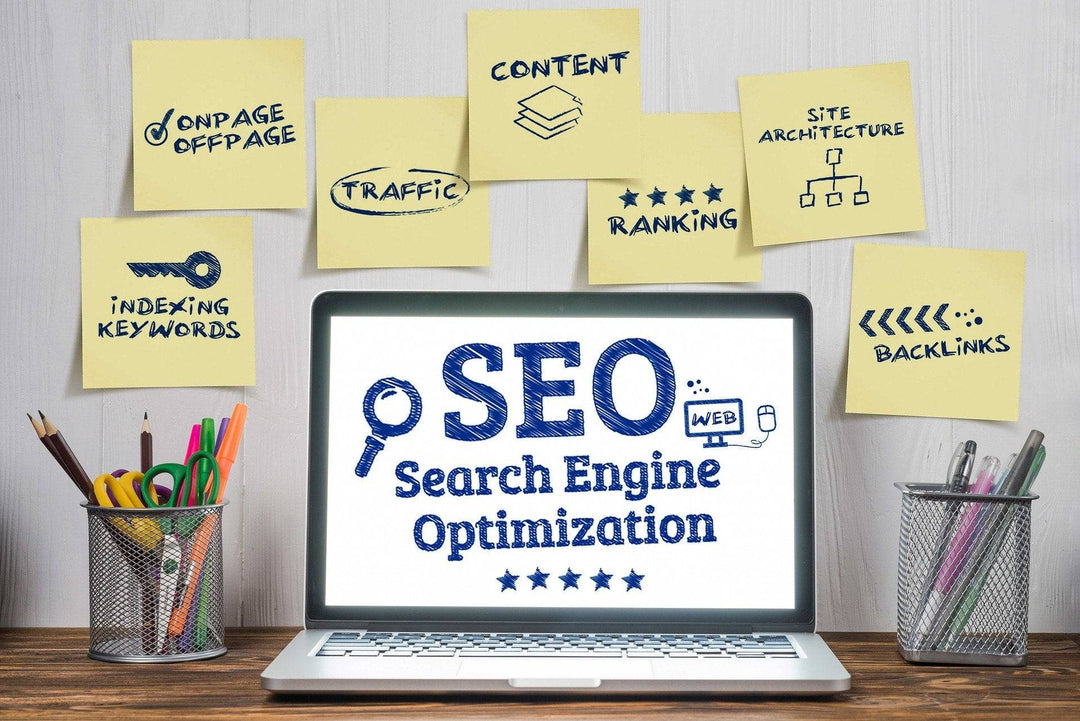
SEO Optimization
To improve search visibility, you need to optimize various areas of your Shopify site. Here's how:
Keyword Research
Use tools like Google Keyword Planner or Ahrefs to find relevant keywords your target audience is searching for. Integrate keywords like "Shopify store optimization Cary, NC" naturally within your pages, titles, and meta descriptions.
Meta Titles and Descriptions
Optimizing your meta titles and descriptions for relevant keywords increases the likelihood of getting clicks in search results. Make them compelling yet accurate representations of the page content.
Alt Text for Images
Don’t forget to use alt text for your images. Not only does it help visually impaired users, but it also provides context for search engines, improving your chances of appearing in image searches.
Monitoring Performance
Once your Shopify website is live, it’s important to monitor its performance regularly. Utilize tools like Google Analytics to track user behavior. Focus on metrics such as:
- Traffic sources: Understand where your visitors are coming from.
- Bounce rate: Identify which pages aren’t engaging enough to retain visitors.
- Conversion rate: Measure how many visitors are completing purchases.
Launching Your Store
Before going live, consider conducting a soft launch with a select audience. Gathering feedback can help you fine-tune your website before the full-scale launch. Also, utilize this opportunity to test the customer checkout process and ensure everything works seamlessly.
Make It an Ongoing Journey
Designing the perfect Shopify website is not a one-time endeavor but an ongoing journey. Stay updated with design trends, consumer behavior, and technology advancements. Regularly test and tweak your website to ensure it meets user expectations, enhances conversions, and reflects your brand identity. Your Shopify site package is an ever-evolving entity that should grow and adapt as your business does.
With each of these elements in place and a focus on continuous improvement, your Shopify store will not only attract visitors but also convert them into loyal customers. Start designing your perfect Shopify website today and watch your online business flourish.
Linked Product

Shopify Basic Simple Site Package
The Shopify Basic Simple Site Package is designed for businesses seeking an effective online presence without unnecessary complexity. It features a customized homepage layout and essential sections to showcase your brand and products, ensuring a user-friendly experience. With professional copywriting and template options aligned with your branding, this package provides a streamlined solution to communicate your story and engage customers.
View ProductExplore the creations of a fellow Shopify or Wix store owner. Follow this link to their online store. Please be advised that this is a promotional link, and we cannot guarantee the content of the linked store.



Leave a comment