


Overview
Choose the right Shopify theme to enhance user experience, reflect your brand identity, and boost conversions. Consider factors like product type, target audience, and required functionalities. Explore free vs. paid themes, customize to align with your brand, ensure SEO-friendliness, and test thoroughly before launching. A well-selected theme can significantly impact your online store's success.
Frequently Asked Questions
1. Why is the choice of Shopify theme important for an online store?
2. What factors should I consider when selecting a Shopify theme?
3. Should I choose a free or paid Shopify theme?
4. How can I customize my Shopify theme to reflect my brand?
5. What are the key SEO considerations when selecting a Shopify theme?
When it comes to running a successful online store, the first impression is everything. The theme you choose for your Shopify store can make or break the user experience, which, in turn, affects conversions. With countless options available, how do you select the right Shopify theme that resonates with your brand identity? In this guide, we will explore various essential factors to consider when choosing a theme for your Shopify store, helping you make an informed decision that speaks to your brand's ethos.
Understanding the Importance of a Shopify Theme
Your Shopify theme determines the overall look and feel of your online store. It influences user engagement, navigation, and even SEO. An effective theme not only attracts visitors but also converts them into loyal customers. Here are several reasons why your choice of Shopify theme is crucial:
- User Experience: A well-structured theme enhances user experience, making it easier for customers to navigate through your products.
- Branding: Your theme should reflect your brand's identity and values, creating a cohesive experience from your website to your marketing materials.
- Mobile Responsiveness: With an increasing number of consumers shopping on smartphones, a mobile-friendly theme is essential.
- SEO Benefits: Certain themes are optimized for SEO, allowing you to rank higher on search engines and drive traffic to your site.
Identifying Your Brand's Needs
Before you start browsing through themes, it's vital to identify your brand's unique needs. Start by asking yourself some key questions:
1. What type of products do you sell?
The nature of your products will greatly influence your theme choice. For example, if you sell high-end fashion items, you may want a theme that allows for large, vivid images. On the other hand, if you're selling service-based products, a clean, minimalist theme could be more suitable.
2. Who is your target audience?
Your audience will guide your design choices. Consider their preferences, behaviors, and demographics when selecting your theme. A Shopify agency in Raleigh, NC, can help you analyze your target market and guide your decisions effectively.
3. What functionalities do you require?
Different themes come with varying functionalities. Make a list of features that are important for your store, such as:
- Product filtering options
- Wishlist functionalities
- Integrated social media sharing
- Blogging capabilities
Exploring Theme Options
Once you've established your brand's needs, it's time to dive into the vast ocean of available Shopify themes. Here are some avenues to explore:
Free vs. Paid Themes
The Shopify theme store offers both free and paid themes. Free themes can be a good starting point, especially for new businesses. However, premium themes usually come with added features and personalized support. Weigh your budget against potential returns on investment when deciding between the two.
Best Practices in Selecting Themes
- Read Reviews: Customer reviews can provide insights into the performance and reliability of a theme.
- Preview Options: Make use of the preview option to visualize how your theme would look with your content.
- Check Update History: A theme that is regularly updated is likely to have better security and newer features.
Customization: Making the Theme Your Own
Many Shopify themes come with customizable options that allow you to tweak colors, fonts, and layouts. Here are some tips on adjusting your theme:
Brand Colors and Typography
Your theme should align with your brand guidelines. Modify the color scheme and typography to reflect your brand's style, ensuring consistency across all platforms.
Imagery and Graphics
High-quality images can elevate your store’s appearance. Use product images, lifestyle shots, and graphics that resonate with your target audience. Ensure they are optimized for speed, as slow-loading images can deter potential buyers.

Integration with Shopify Apps
Your chosen theme should also be compatible with various Shopify apps that can enhance your store's functionality. Consider integrating apps for:
- Email marketing
- Inventory management
- Customer reviews
- Analytics and tracking
Setting a Solid Foundation with Shopify Workshops
To maximize your theme's potential, consider attending a Shopify workshop. These workshops provide insights into best practices for Shopify management, including theme selection and optimization strategies. Engaging in such events can expand your knowledge and connect you with other Shopify users and experts.
Keeping SEO in Mind
Even the most beautiful Shopify theme won’t help if it's not SEO-friendly. Here are some key elements to consider regarding SEO:
Responsive Design
Having a mobile-responsive design is vital for SEO. Google prioritizes sites that provide a great mobile experience, so make sure your theme doesn't compromise on this element.
Fast Load Times
Optimize your theme for speed. A slow-loading site can negatively impact your search rankings and increase bounce rates. Choose themes that are lighter and more efficient.
Structured Data Markup
Look for themes that support structured data markup, which helps search engines understand your products better. This can enhance your visibility in search results.
Testing Before Launching
Before launching your Shopify store, it's essential to test the selected theme thoroughly. Conduct tests to ensure everything functions as expected. Check the responsiveness, loading speed, and compatibility with apps.
Gather Feedback
Involve peers or potential customers in the feedback process. They can provide valuable insights that may reveal issues or improvements you hadn’t considered. This input can be instrumental before your official launch.
Final Adjustments and Launch
After gathering feedback and making necessary tweaks, you're ready to prepare for your store’s launch. Make sure to have a marketing strategy in place to draw customers to your new Shopify store. Start building your online presence, and remember that creating a successful eCommerce store takes time and ongoing adjustments.
Let Your Brand Shine!
The journey of selecting the perfect Shopify theme can be time-consuming, but the rewards are worth the effort. A well-chosen theme creates a fantastic first impression, enhances user experience, and ultimately leads to higher conversions. By considering your brand's needs, leveraging resources like Shopify workshops, and working with a Shopify agency in Raleigh, NC, you can ensure that your online store stands out in a competitive marketplace.
Dive in, explore the options, and watch your eCommerce venture flourish. Your ideal Shopify theme is just around the corner, ready to encapsulate your brand's unique essence and propel your business toward success.
Linked Product

Shopify Startup - Build, Optimize, and Market Your Store - 3 day intensive workshop
The Shopify Startup Intensive workshop offers a hands-on approach to building and optimizing your online store, making it suitable for both newcomers and existing store owners. Participants will gain practical skills in store setup, theme customization, and essential marketing techniques, enhancing their ability to effectively promote their products. This immersive experience also covers key areas like SEO, email marketing, and analytics, equipping attendees with the knowledge to make data-driven decisions for their e-commerce success.
View Product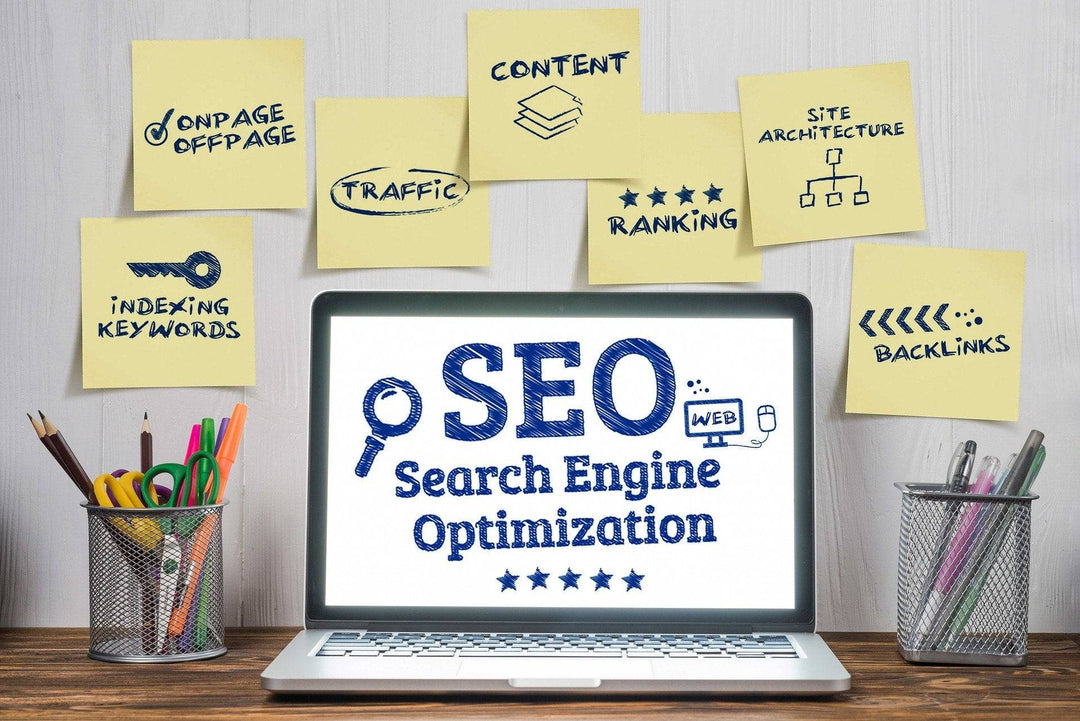



Leave a comment