

Overview
Email marketing is crucial for Shopify store owners to enhance customer engagement and boost sales. Key strategies include building a quality email list with lead magnets, crafting personalized and compelling email content, segmenting your audience, utilizing automation for efficiency, and tracking engagement metrics. Additionally, integrating AI tools like ChatGPT can optimize your email strategies. Focus on building long-term relationships with customers through regular communication and feedback to create a thriving e-commerce community.
Frequently Asked Questions
1. Why is email marketing important for Shopify store owners?
2. What are effective strategies for building an email list?
3. How can I personalize my email content?
4. What are some key metrics to track in email marketing?
5. How can automation improve my email marketing efforts?
Email marketing is an essential component of any successful e-commerce strategy. For Shopify store owners, mastering email marketing can significantly enhance customer engagement, retention, and ultimately sales. In this blog post, we will explore effective email marketing strategies that will empower your Shopify store to connect better with customers and boost your overall e-commerce marketing efforts.
The Power of Email Marketing in E-commerce
Email marketing remains one of the most powerful tools in the e-commerce marketing toolkit. Its effectiveness lies in its direct approach to reaching potential and existing customers. Here are a few reasons why you should prioritize email marketing:
- Direct Communication: Emails allow you to communicate directly with your audience.
- Personalization: Emails can be tailored to individual preferences, enhancing user experience.
- Cost-Effectiveness: Compared to other marketing channels, email marketing is relatively cheap.
- High ROI: Email marketing has one of the highest returns on investment among all marketing tactics.
Building an Engaging Email List
Before diving into email marketing strategies, it’s essential to build a high-quality email list. This list should comprise engaged customers who want to hear from you. Consider these strategies for growing your email list effectively:
Create Compelling Lead Magnets
Lead magnets are irresistible offers that entice visitors to provide their email addresses. Popular lead magnets include:
- Discount Codes: Offer a discount on their next purchase for signing up.
- Exclusive Content: Access to a valuable e-commerce marketing class or webinars.
- Free Shipping: Provide free shipping for their first order.
Utilize Website Pop-ups
Timely pop-up forms on your Shopify website can increase sign-ups. Make sure they don't hinder the user experience:
- Trigger on Exit Intent: Show the pop-up when users are about to leave your site.
- Timing is Key: Delay the appearance of pop-ups to not annoy first-time visitors.
Crafting Compelling Email Content
Once you’ve built your email list, the next step is to create engaging email content. The content of your emails can make or break their effectiveness. Here are some strategies for crafting compelling emails:
Personalize Your Emails
Personalization is fundamental in email marketing. Use subscribers' names and analyze their shopping behaviors to suggest products they might like. Personalized content can lead to higher engagement rates.
Write Catchy Subject Lines
Subject lines are the first thing your recipients see and can determine whether they open your email or not. Consider these tips for writing attention-grabbing subject lines:
- Keep it Short: Aim for 50 characters or less.
- Create a Sense of Urgency: Use words like "limited time" or "last chance."
- A/B Testing: Experiment with different subject lines to find out what works best.
Segmenting Your Audience
Email segmentation is crucial for sending relevant content to the right audience. By dividing your email list into specific segments, you can tailor your messages more effectively. Consider segmenting your audience based on:
- Purchase History: Send tailored emails to customers based on their previous purchases.
- Demographics: Segment by factors like age, gender, or location.
- Engagement Levels: Target high-engagers differently than less active subscribers.
Automation for Efficiency
Email automation is a game changer for e-commerce businesses. By automating your email campaigns, you save time and ensure consistent communication with your customers. Here are key areas to focus on:

Welcome Series
Setting up an automated welcome series can nurture new subscribers effectively. A typical welcome series might include:
- An initial welcome email offering a discount.
- A follow-up email sharing your brand story.
- A third email recommending popular products.
Abandoned Cart Emails
One of the most effective automated emails is the abandoned cart email. This strategy can significantly recover lost sales by reminding customers of items they left behind. Key features to include:
- Images of the abandoned items.
- A personalized message expressing concern.
- A time-sensitive discount offer to encourage completion of the purchase.
Engagement and Analytics
Once your email marketing campaigns are running, it's crucial to track their performance. You can measure the effectiveness of your email marketing efforts through various metrics:
Key Metrics to Track
Analyze the following metrics to gauge your email marketing success:
- Open Rate: Indicates how many subscribers opened your email.
- Click-Through Rate: The percentage of recipients who clicked on links within the email.
- Conversion Rate: Measures how many email recipients completed a desired action, like making a purchase.
Incorporating ChatGPT Search Optimization
With advancements in AI, integrating tools like ChatGPT for search optimization can refine your email marketing strategies. By utilizing ChatGPT's capabilities, you can analyze customer preferences and personalize content more effectively. Here’s how to make the most of it:
Content Generation
Use ChatGPT to generate ideas for email content, subject lines, and even full email drafts. This can help maintain freshness in your communication and keep your audience engaged.
Keyword Optimization
Incorporating SEO-friendly keywords throughout your email content enhances discoverability on the web. Utilize commonly searched phrases related to your business niche, drawing more customers to your Shopify store.
Building Long-Term Relationships
Finally, remember that email marketing is not just about immediate sales; it's about building lasting relationships with your customers. Engage your audience through:
- Regular Newsletters: Share updates, tips, and valuable content with your subscribers.
- Feedback Requests: Use surveys to solicit feedback and show customers you value their opinions.
- Community Building: Encourage customers to connect through social media and your store’s blog.
By implementing these email marketing strategies, you can create an engaging experience for your audience while driving sales for your Shopify store. With dedication and a focus on personalization, your email campaigns can turn casual browsers into loyal customers.
Get ready to unleash the power of email marketing and watch your Shopify store flourish! Don’t just sell; build a community that lasts!
Linked Product

Shopify Digital Marketing Workshop / 2-day Intensive Class
The Shopify Digital Marketing Workshop is a 2-day intensive class aimed at equipping Shopify store owners and marketers with essential skills for improving their online presence. Participants will learn key strategies, including SEO techniques, email marketing automation, and analytics for performance optimization. This workshop provides practical insights and hands-on training to help attendees effectively drive traffic and increase conversions for their e-commerce businesses.
View Product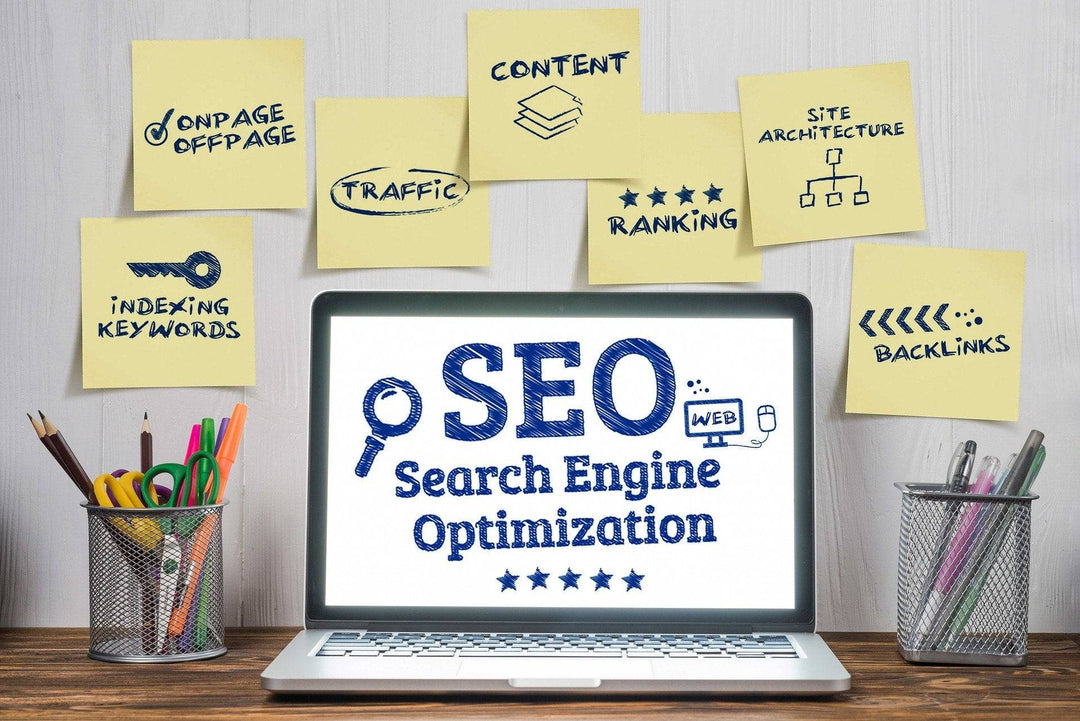



Leave a comment